Featured


All About Post-Specialty Counseling for Caregivers Balancing Their Own Bills and a Loved One’s Needs Services Such as Follow-Up Services
Table of Contents
That maximizes money in the short term, and you may have 3 to 4 years to conserve toward the settlement amount. Really hazardous to credit report, primarily as a result of missed repayments and an adverse "worked out" mark that can remain on your credit history record for as much as seven yearsMay be only alternative if other alternatives (debt consolidation, equilibrium transfer charge card, debt mercy) aren't possibleTypically requires a charge to the 3rd party, which can offset some or every one of the financial savings from financial debt settlementMay help you stay clear of bankruptcy if you've missed a number of paymentsNot all lenders collaborate with financial debt negotiation firms Debt forgiveness may be ideal for you if you are experiencing a financial difficulty that makes it virtually difficult to pay for your financial obligation balances.
With a DMP, you make one regular monthly repayment to the credit score counseling agency. Those funds are after that dispersed to creditors of your unprotected financial debts, such as charge card and installment fundings. The company collaborates with your creditors to lower rates of interest or forgo fees, but some financial institutions may reject such giving ins.
A debt loan consolidation financing combines your qualified financial obligations into one new finance. It can assist you pay for debt if you're able to protect a funding rate that's less than the typical price of the accounts you're consolidating. Nevertheless, you should avoid racking up financial debt on those recently removed accounts or your financial obligation could grow also greater.
That provides you plenty of time to get rid of or substantially minimize your equilibrium while making interest-free repayments.
The Facts About How Much Specialty Counseling for Caregivers Balancing Their Own Bills and a Loved One’s Needs Typically Cost Uncovered
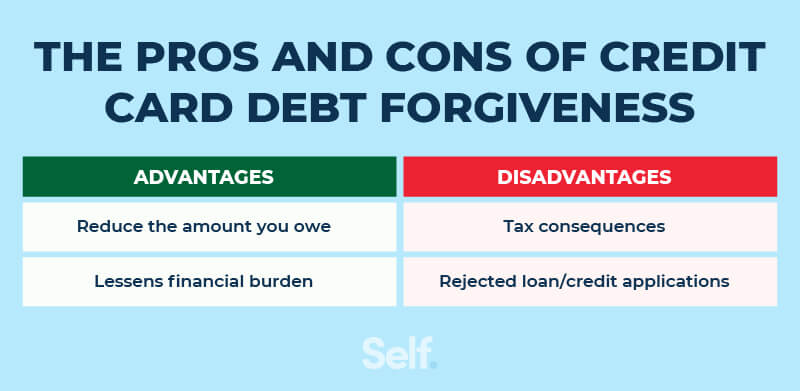
You might need it if your lender or a collection company ever before attempts to collect on the debt in the future. The letter could confirm you don't owe what the debt collection agency's documents show. Yes, for the most part, the IRS considers forgiven financial debt as gross income. When a loan provider forgives $600 or even more, they are required to send you Kind 1099-C.
Financial debt forgiveness or negotiation generally hurts your credit score. Anytime you settle a financial obligation for less than you owe, it may appear as "resolved" on your credit scores report and impact your credit rating for 7 years from the day of settlement. Your credit can likewise drop substantially in the months leading to the forgiveness if you fall behind on settlements.
Examine This Report about Private Specialty Counseling for Caregivers Balancing Their Own Bills and a Loved One’s Needs Programs Reviewed
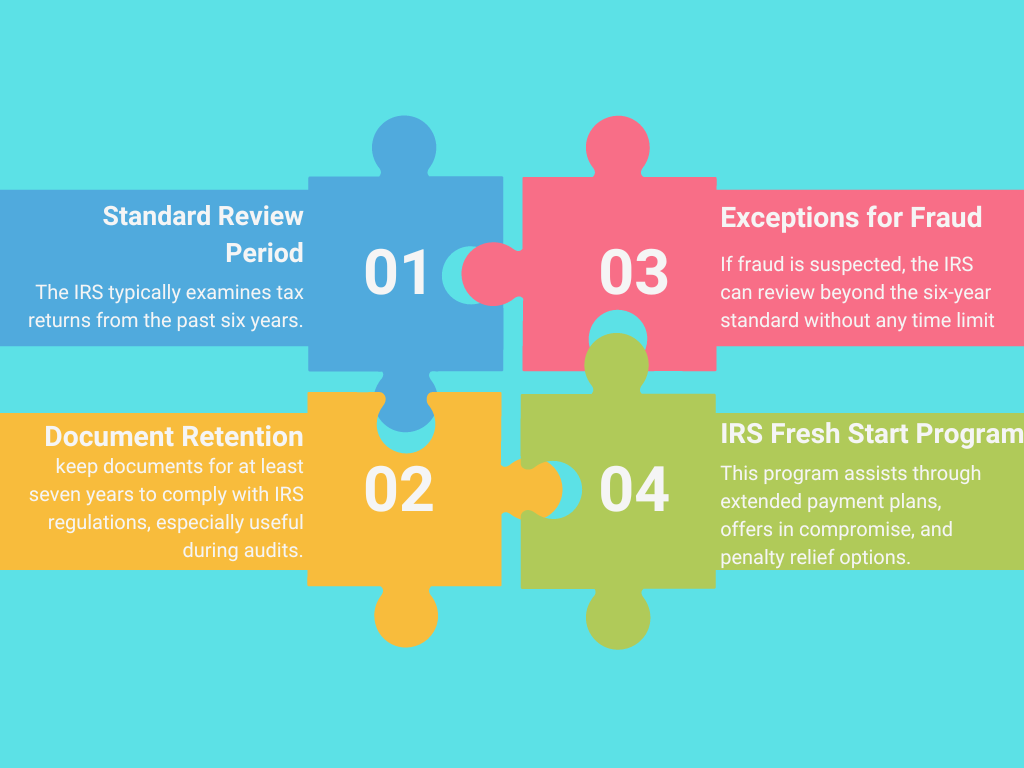
This situation typically results from underreporting income, not filing returns on time, or disparities located during an IRS audit. The repercussions of building up tax financial obligation are significant and can consist of tax liens, which provide the Internal revenue service a legal insurance claim to your home as safety and security for the financial obligation.
Wages and Bank Accounts Internal revenue service can levy (take) earnings and financial institution accounts to please the financial debt. Residential or commercial property Seizure In severe cases, the Internal revenue service can confiscate and sell property to cover the financial obligation.
Clinical depression, stress and anxiety, and various other psychological health and wellness concerns. Social Stigma Facing lawsuit from the IRS can bring social stigma. Damage to credibility and partnerships. Work Opportunities An inadequate credit history rating due to exhaust debt can limit employment chances. Problem searching for or maintaining a work. Federal government Benefits Tax obligation debt might affect qualification for government benefits, such as Social Safety and Medicaid.
The Only Guide for Digital Tools Transforming Specialty Counseling for Caregivers Balancing Their Own Bills and a Loved One’s Needs
The OIC takes into consideration a number of elements, including the taxpayer's revenue, expenditures, property equity, and capability to pay. Successfully bargaining an OIC can be complex, calling for a complete understanding of the internal revenue service's guidelines and a strong disagreement for why your deal aligns with your capacity to pay. It's essential to keep in mind that not all applications are approved, and the procedure requires comprehensive financial disclosure.
The internal revenue service analyzes your total monetary circumstance, including your earnings, expenses, possession equity, and ability to pay. You should also be current with all declaring and repayment needs and not be in an open bankruptcy proceeding. The IRS likewise considers your compliance background, assessing whether you have a document of timely declaring and paying taxes in previous years.
The Buzz on Credit Card Debt Specialty Counseling for Caregivers Balancing Their Own Bills and a Loved One’s Needs Options
The application procedure for a Deal in Compromise includes a number of comprehensive actions. First, you should finish and send internal revenue service Kind 656, the Deal in Compromise application, and Kind 433-A (OIC), a collection information statement for individuals. These forms need extensive financial info, consisting of details about your income, debts, costs, and possessions.
Back taxes, which are unpaid tax obligations from previous years, can considerably boost your overall internal revenue service financial debt if not attended to promptly. This financial debt can build up interest and late repayment charges, making the initial amount owed a lot larger with time. Failing to pay back tax obligations can result in the internal revenue service taking enforcement actions, such as releasing a tax lien or levy against your residential property.
It is important to address back taxes asap, either by paying the sum total owed or by organizing a payment strategy with the internal revenue service. By taking aggressive actions, you can prevent the build-up of additional rate of interest and penalties, and protect against extra hostile collection activities by the internal revenue service.
One typical factor is the belief that the taxpayer can pay the complete quantity either as a round figure or via a repayment plan. The IRS likewise thinks about the taxpayer's revenue, expenditures, property equity, and future earning capacity. If these factors show that the taxpayer can afford to pay greater than the provided quantity, the internal revenue service is likely to turn down the offer.
The 7-Minute Rule for Restoring Your Credit Score the Smart Way
Dealing with Internal revenue service financial obligation can be complicated and difficult. Tax obligation professionals, such as Certified public accountants, tax attorneys, or registered agents, can provide indispensable assistance.

Table of Contents
Latest Posts
Some Known Facts About Economic Uncertainty and How More People Need Are Seeking Debt Forgiveness.

3 Easy Facts About How APFSC Operate to Reach Debt Freedom Shown
All About Post-Specialty Counseling for Caregivers Balancing Their Own Bills and a Loved One’s Needs Services Such as Follow-Up Services
More
Latest Posts
Some Known Facts About Economic Uncertainty and How More People Need Are Seeking Debt Forgiveness.
3 Easy Facts About How APFSC Operate to Reach Debt Freedom Shown